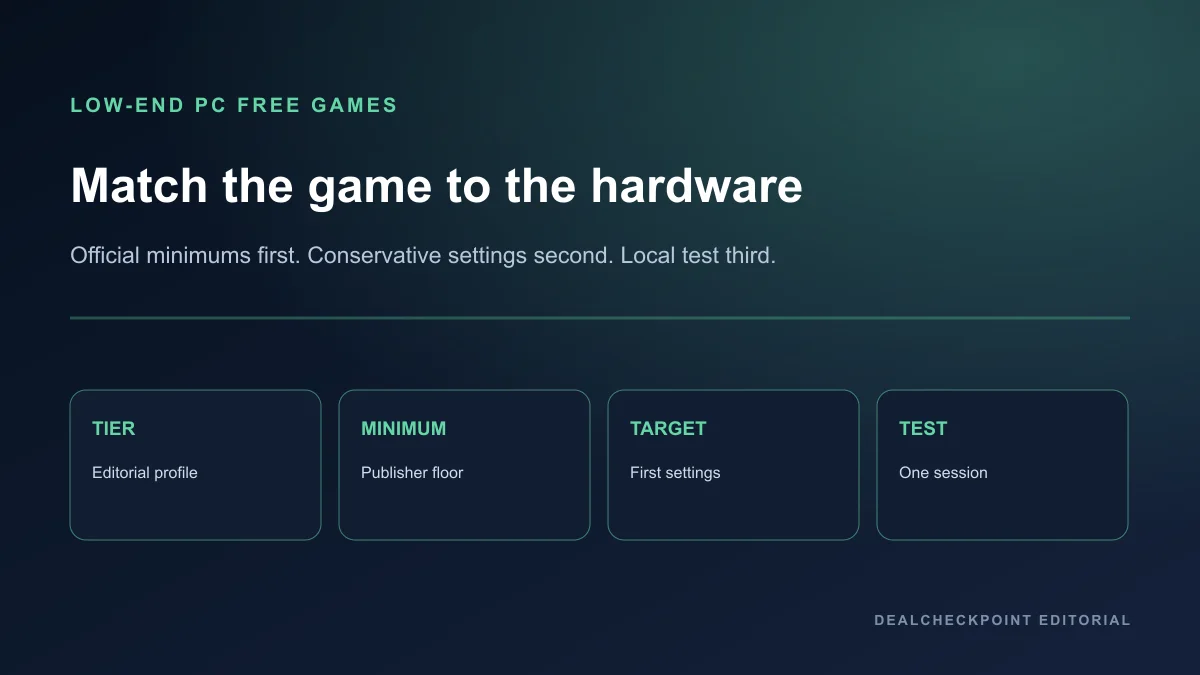
The safest free-game choice on a modest PC is the one whose current official minimum requirements your system can meet, not the one with the lowest published RAM number from a decade ago. Start with publisher requirements, match them to one of the three editorial hardware tiers below, install one title, and test at a conservative resolution before adding more launchers.
Direct answer
For very modest systems, start with Brawlhalla, Old School RuneScape, Hearthstone, or Unturned. For a supported four-core PC with eight gigabytes of RAM and modern integrated graphics, League of Legends and Albion Online become reasonable tests. For an older discrete GPU with eight gigabytes of RAM and current Windows support, Dota 2, Counter-Strike 2, and Path of Exile are the strongest options here, but they still need a local performance check.
Every pick below was free to enter in the checked US region on July 22, 2026, uses an official active destination, and lists current minimum requirements from its publisher or store page. None of the starting settings below are benchmark results or guaranteed frame rates.
What “low-end PC” means on DealCheckpoint
Low-end does not mean one laptop model or one GPU name. It means a Windows PC where CPU headroom, RAM, storage speed, background apps, thermal limits, and graphics capability can all become bottlenecks before a game’s art style does.
A game can look simple yet still demand stable online performance, shader compilation, anti-cheat services, or frequent updates. A game can also publish an old minimum requirement that no longer reflects modern Windows overhead. That is why this guide separates official minimums from conservative first settings.
These editorial tiers are comparison profiles, not lab-tested hardware classes and not DealCheckpoint benchmark results.
Three hardware tiers
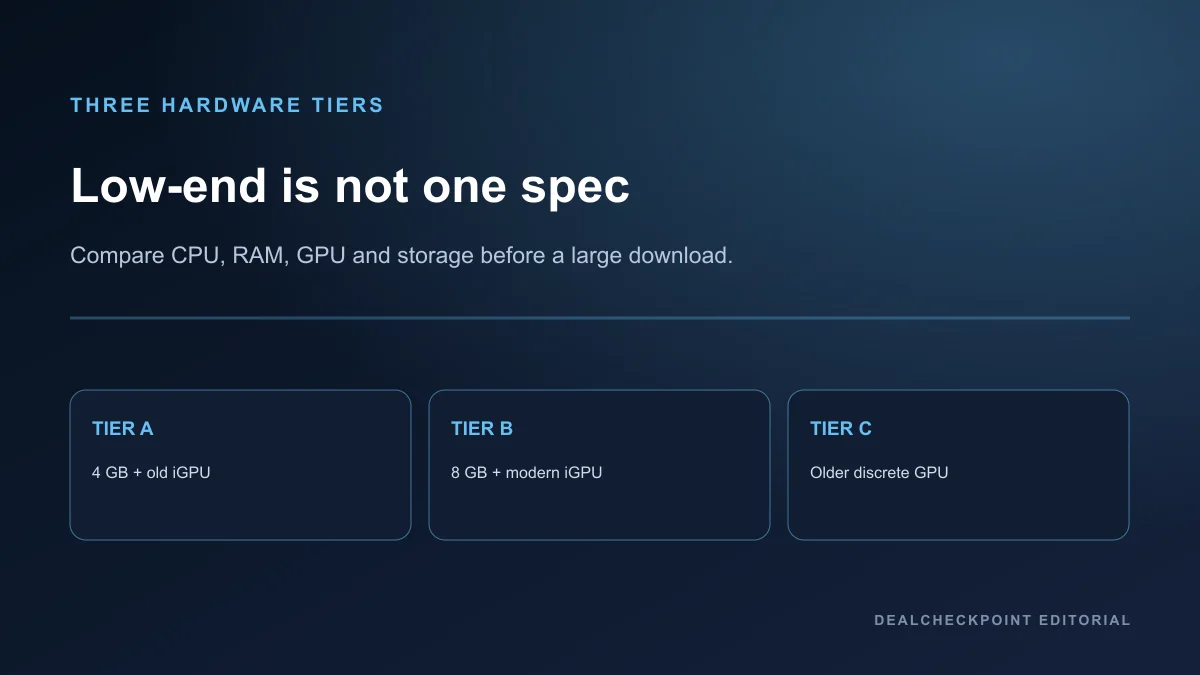
Tier A — Very modest system. Example profile: older dual-core or low-power CPU, four gigabytes of RAM, older integrated graphics, and limited storage on a hard drive. Best first tests: Brawlhalla, Old School RuneScape, Hearthstone, and Unturned.
Tier B — Basic modern integrated graphics. Example profile: supported four-core CPU, eight gigabytes of RAM, modern Intel or AMD integrated graphics, and an SSD preferred. Best first tests: League of Legends and Albion Online, plus Tier A titles if thermals stay stable.
Tier C — Older entry-level gaming PC. Example profile: eight to sixteen gigabytes of RAM, an older supported discrete GPU with at least one gigabyte of VRAM and current drivers, SSD storage with room for large live-service installs, and a supported Windows version. Best first tests: Dota 2, Counter-Strike 2, Path of Exile, and Team Fortress 2 if you accept older-engine variability. Counter-Strike 2’s official Steam minimum is eight gigabytes of RAM, not four.
How the list was selected
A game qualified only when its exact base product was free to enter in the checked US region, the listing was not a demo, soundtrack, DLC, or temporary promotion, and current official material documented minimum requirements, platform support, and access boundaries. We excluded retired products, region-unavailable records, and games whose current access model could not be verified.
We did not rank by concurrent player count, social hype, or how old a minimum spec looks on paper. We compared official CPU, RAM, GPU, storage, online requirements, launcher friction, and the main reason a modest PC may still struggle after meeting the published floor.
Roblox and Trackmania were omitted from the main list. Roblox performance varies enormously by experience and account setup, and Trackmania’s starter access is a limited free-entry model rather than a straightforward permanent base game for this guide’s scope.
Comparison table
| Game | Editorial tier | Official minimum baseline | Conservative first target | Online | Launcher | Main performance risk | Checked |
|---|---|---|---|---|---|---|---|
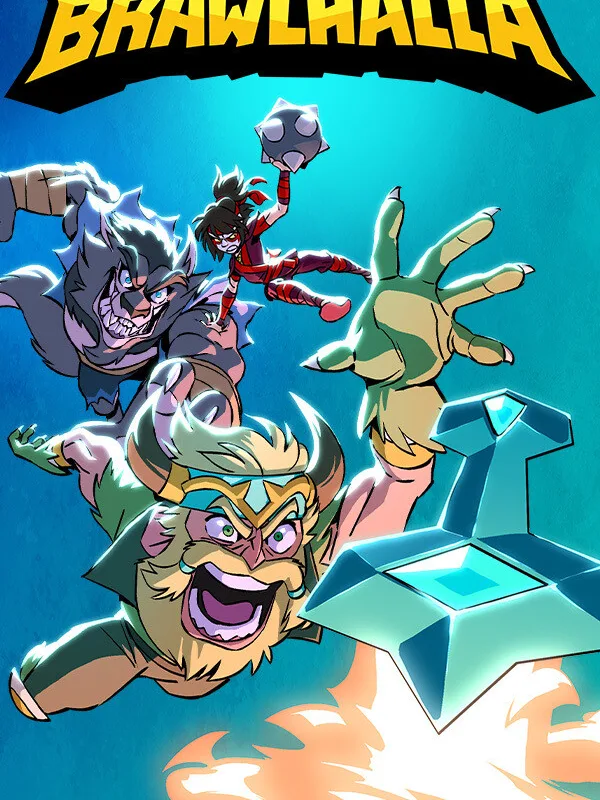
| Brawlhalla | A | Windows 7+, 2 GB RAM, DirectX 9.0c graphics | 1280×720 or 1280×800, default/low effects | Required | Steam | Driver stability on very old integrated GPUs | Jul 22, 2026 |
| Old School RuneScape | A | Windows 10/11 64-bit client, modest RAM and GPU per Jagex | 1280×720 fixed/resizable mode, reduce draw distance | Required | Steam or Jagex launcher | Client choice and draw distance | Jul 22, 2026 |
| Hearthstone | A/B | Windows 10 64-bit, 3 GB RAM, Intel HD 4000-class GPU | 1280×720, reduce animation clutter | Required | Battle.net | Background RAM use and older drivers | Jul 22, 2026 |
| Unturned | A/B | Windows 10 64-bit, 4 GB RAM, DirectX 11 feature level 10.0 | 1280×720 low, reduce view distance | Required | Steam | Open-world loading and older storage | Jul 22, 2026 |
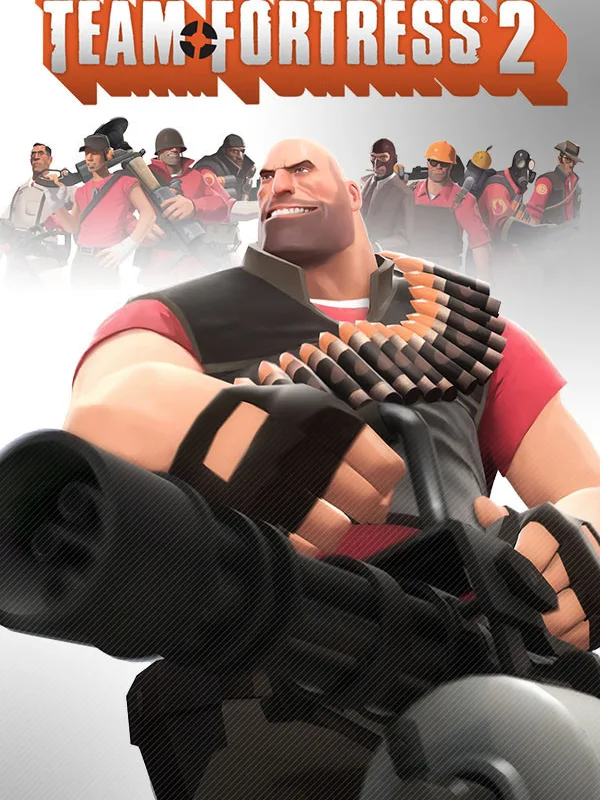
| Team Fortress 2 | A/C | Valve lists 1.7 GHz CPU, 512 MB RAM, DirectX 8.1 graphics | 1280×720 low, reduce effects in busy servers | Required | Steam | Busy servers and modern OS overhead | Jul 22, 2026 |
| League of Legends | B | Supported Windows with SSE4.2/AVX CPU features, 4 GB RAM on Windows 10 | 1280×720 low, cap frame rate if thermals throttle | Required | Riot Client | Unsupported CPU features and background apps | Jul 22, 2026 |
| Albion Online | B | Windows 10, 4 GB RAM, Intel HD 4000 / Radeon R5-class GPU | 1280×720 low, reduce nameplates and effects | Required | Steam | Large world streaming and RAM pressure | Jul 22, 2026 |
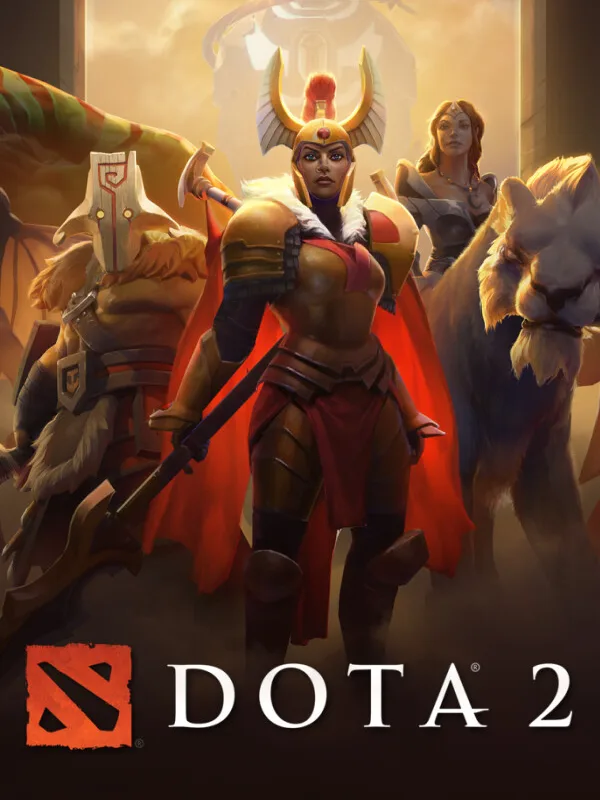
| Dota 2 | B/C | Windows 10 64-bit, 4 GB RAM, DirectX 11 GPU class listed by Valve | 1280×720 low/medium, disable extra effects | Required | Steam | Shader compilation and teamfight spikes | Jul 22, 2026 |
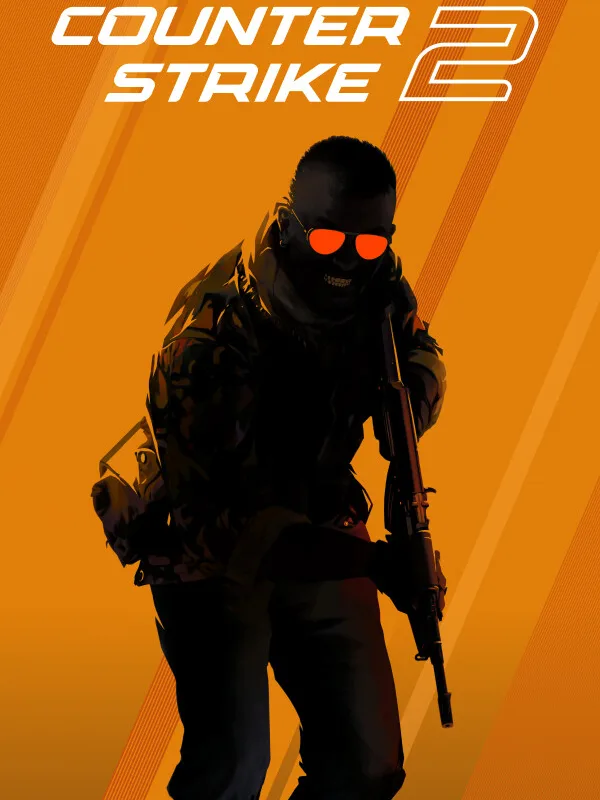
| Counter-Strike 2 | C | Windows 10, 4 CPU threads i5-750+, 8 GB RAM, 1 GB+ DX11 GPU, 85 GB storage | 1280×720 low, reduce shader detail | Required | Steam | Source 2 load and competitive frame pacing | Jul 22, 2026 |
| Path of Exile | C | Windows 10, 4 GB RAM minimum with higher-end GPU floor | 1280×720 low, reduce particle and effect density | Required | Steam | Visual effect density and endgame clutter | Jul 22, 2026 |
Best games for Tier A
Tier A is for PCs where every gigabyte of RAM and every background tab matters. The best first installs here are the least demanding active workloads: Brawlhalla, Old School RuneScape, Hearthstone, and Unturned.
Brawlhalla is the clearest Tier A test because its 2D presentation and small storage footprint create less baseline pressure than a modern 3D shooter. Old School RuneScape fits players who want a slower-paced online world with scalable client settings. Hearthstone suits turn-based sessions with modest GPU requirements on paper, though Battle.net overhead still matters. Unturned is the most demanding Tier A pick because it is a 3D open-zone survival game, so treat it as a second test rather than a first install on the weakest machines.
Best games for Tier B
Tier B assumes a supported four-core CPU, eight gigabytes of system RAM, and a modern integrated graphics solution with current drivers. League of Legends is the main recommendation here because Riot publishes explicit Windows, CPU-feature, RAM, and graphics tiers rather than a vague “runs anywhere” claim.
Albion Online is the other Tier B anchor. Its official minimum is modest on paper, but its isometric open world, other players, and frequent zone loading can still stress RAM and storage. Start at 720p with reduced effects and watch frame pacing during crowded towns before assuming the machine is comfortable.
Best games for Tier C
Tier C is for older discrete GPUs that still meet current Windows and anti-cheat support. Dota 2, Counter-Strike 2, and Path of Exile belong here because their official minimums—including eight gigabytes of RAM for Counter-Strike 2—exceed what most Tier A machines should attempt first.
Team Fortress 2 straddles tiers because Valve’s published minimum is extremely old, yet modern servers, effects, and item-heavy scenes can still spike CPU use. Treat TF2 as a Tier C test if you care about stable teamfight performance, or as a Tier A sampler if you only need a short casual session at low settings.
Individual recommendations
Brawlhalla
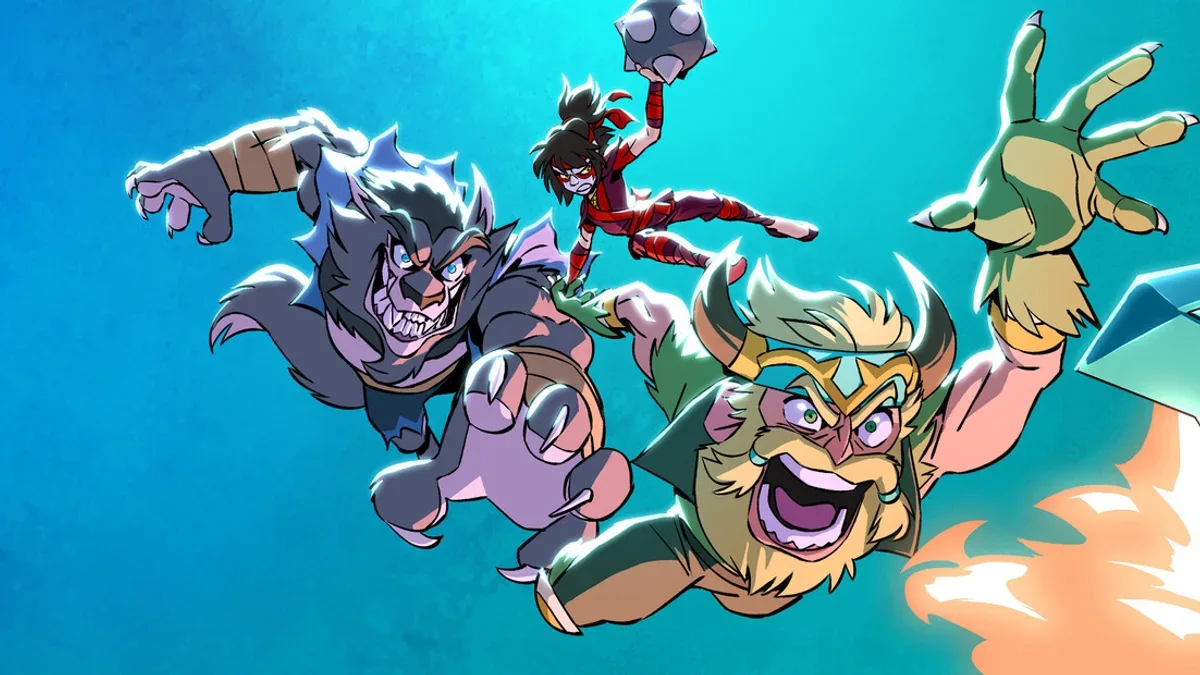
Brawlhalla is best for short platform-fighter sessions on very modest hardware; skip it if you need a deep solo campaign. Access model: free-to-play. Official minimum on Steam lists Windows 7 or later, two gigabytes of RAM, DirectX 9.0c graphics, and about three hundred fifty megabytes of storage. Conservative first target: 1280×720 or 1280×800 with default or low effects. Main performance risk: unstable integrated graphics drivers, not raw polygon count. Online is required. Launcher: Steam. Monetisation includes Mammoth Coins, cosmetics, battle pass products, and character unlock paths, so it is not cosmetic-only. Official Steam listing.
Old School RuneScape
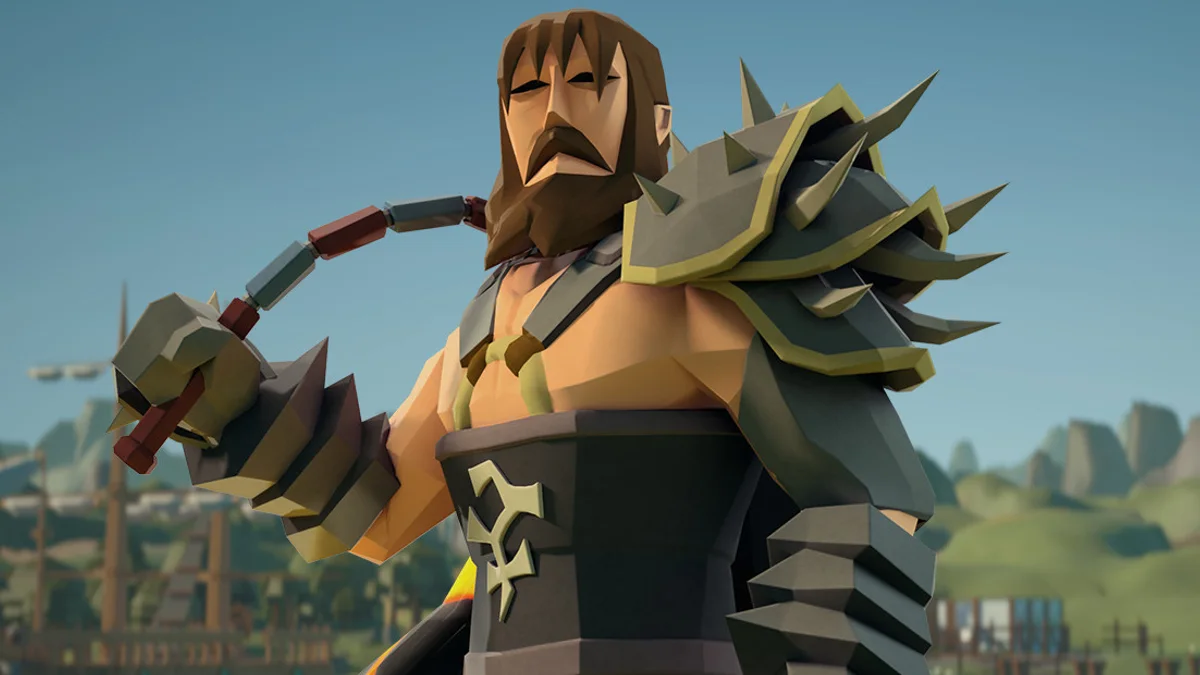
Old School RuneScape fits players who want a low-action online RPG with scalable presentation; skip it if you expect modern action-combat responsiveness. Access model: free-to-play with membership and cosmetic boundaries. Jagex’s current client support emphasizes Windows 10/11 64-bit systems with modest RAM and graphics requirements compared with heavy 3D shooters. Conservative first target: 1280×720 with reduced draw distance and the lighter client path where available. Main performance risk: draw distance, crowded areas, and background browser tabs competing for RAM. Online is required. Launcher: Steam or the Jagex launcher. Monetisation includes membership, cosmetics, and convenience services. Official Steam listing.
Hearthstone
Hearthstone is best for turn-based card sessions on modest PCs; skip it if you dislike randomised acquisition systems or mandatory online play. Access model: free-to-play with card acquisition, cosmetics, and battle pass products. Blizzard’s current PC minimum lists Windows 10 64-bit, a Core 2 Duo-class CPU, three gigabytes of RAM, and Intel HD 4000 / Radeon HD 4850-class graphics. Conservative first target: 1280×720 with reduced animation clutter. Main performance risk: RAM pressure from browsers and launchers running together. Online is required. Launcher: Battle.net. Monetisation includes card packs, cosmetics, battle pass content, and in-game currencies. Official Hearthstone system requirements.
Unturned
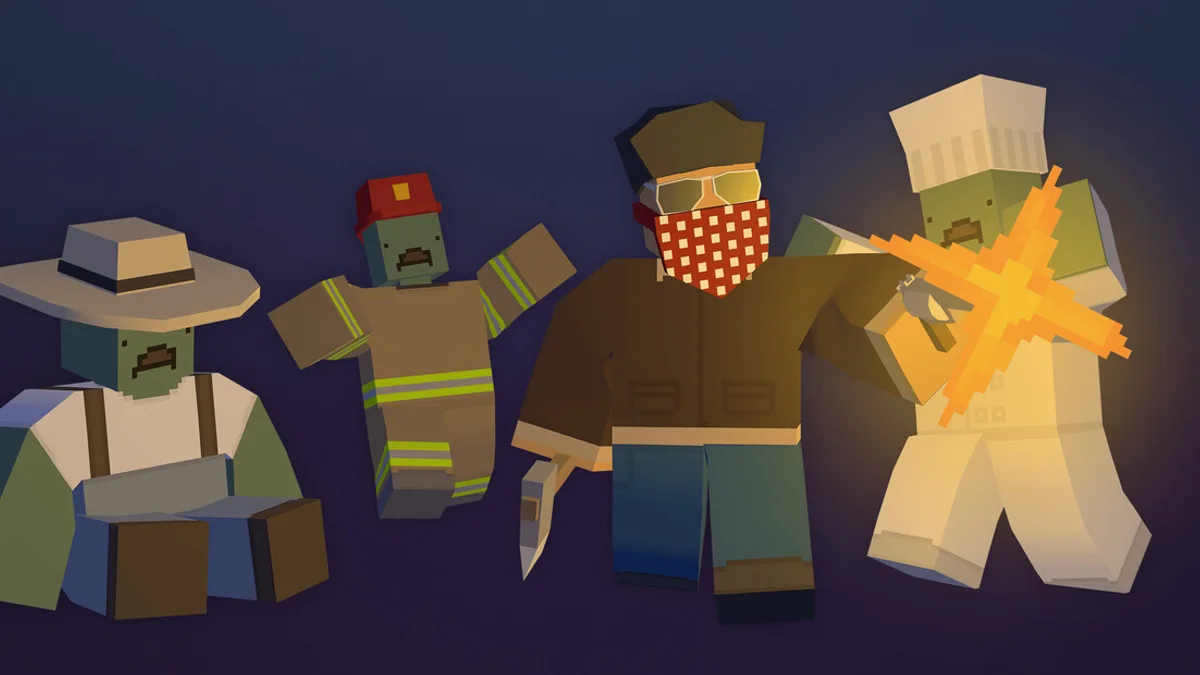
Unturned suits low-spec survival and building on modest hardware; skip it if you need high-fidelity visuals or low-latency competitive action. Access model: free-to-play. Steam lists Windows 10 64-bit, four gigabytes of RAM, DirectX 11 feature level 10.0 graphics, and about twenty-two gigabytes of storage. Conservative first target: 1280×720 low with reduced view distance. Main performance risk: open-zone loading and storage speed on hard drives. Online is required for the core experience. Launcher: Steam. Monetisation includes cosmetics and convenience products through the current store. Official Steam listing.
Team Fortress 2
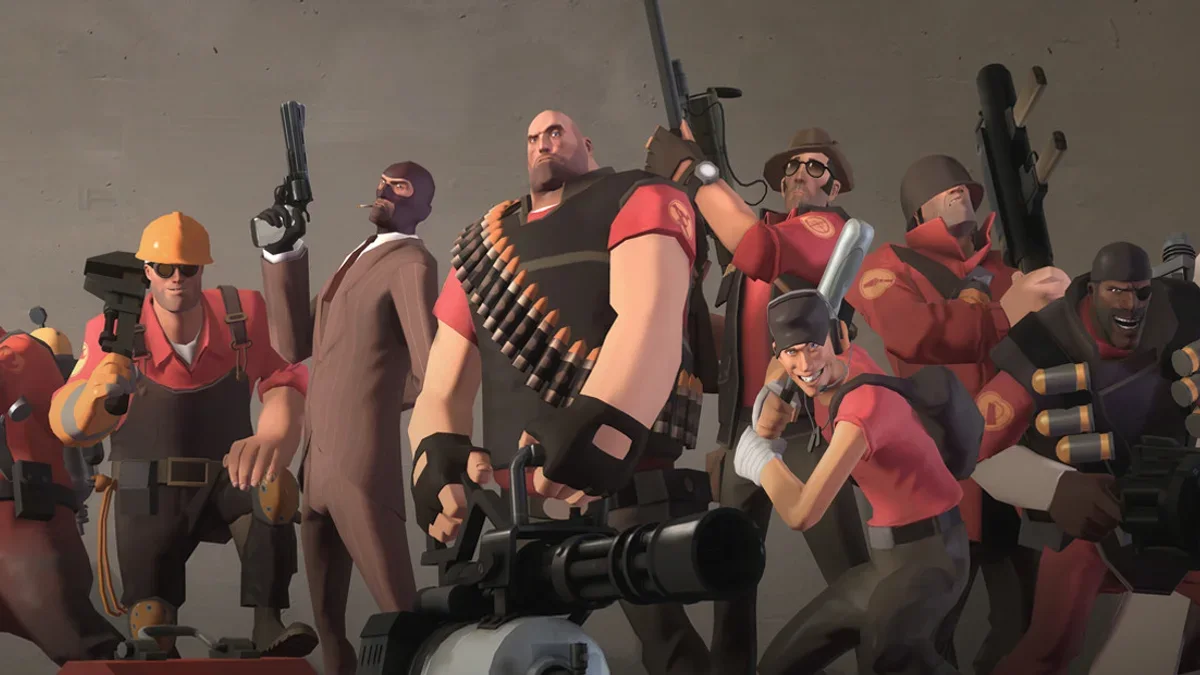
Team Fortress 2 is best for sampling class-based team shooters on older hardware; skip it if you need predictable modern matchmaking and stable competitive pacing. Access model: free-to-play. Valve’s published minimum is historically low, but modern Windows overhead and busy servers raise practical CPU demand. Conservative first target: 1280×720 low with reduced effect detail. Main performance risk: crowded servers and particle-heavy scenes. Online is required. Launcher: Steam. Monetisation includes items, keys, cosmetics, Mann Co. Store products, and Community Market activity. Official Steam listing.
League of Legends

League of Legends fits supported Windows laptops and desktops with modern integrated graphics; skip it if your CPU lacks the required instruction support or you cannot keep background RAM free. Access model: free-to-play. Riot’s current minimum requirements specify supported Windows versions, CPU features including SSE4.2 or AVX support, four gigabytes of RAM on Windows 10, and Shader Model 2.0 / DirectX 11-capable graphics. Conservative first target: 1280×720 low with a frame-rate cap if thermals throttle. Main performance risk: unsupported CPU features and multitasking on eight-gigabyte systems. Online is required. Launcher: Riot Client. Monetisation includes cosmetics, event products, and champion unlock paths. Official League minimum requirements.
Albion Online
Albion Online is best for isometric open-world progression on Tier B hardware; skip it if you need offline play or minimal storage use. Access model: free-to-play. Sandbox Interactive lists Windows 10, four gigabytes of RAM, and Intel HD 4000 / Radeon R5-class graphics as minimum support. Conservative first target: 1280×720 low with reduced nameplates and effects. Main performance risk: crowded zones and hard-drive loading. Online is required. Launcher: Steam. Monetisation includes premium currency, cosmetics, and progression-related purchases. Official Steam listing.
Dota 2
Dota 2 suits Tier B/C PCs that can handle a deep MOBA and shader compilation spikes; skip it if you need a low-learning-curve casual game. Access model: free-to-play. Valve lists Windows 10 64-bit, a dual-core processor, four gigabytes of RAM, and DirectX 11 graphics at or above NVIDIA GeForce 8600/9600GT or AMD HD 2600 class. Conservative first target: 1280×720 low or medium with extra effects disabled. Main performance risk: teamfight spikes and shader compilation. Online is required. Launcher: Steam. Monetisation includes cosmetics, Dota Plus, and event products. Official Steam listing.
Counter-Strike 2
Counter-Strike 2 fits Tier C PCs that meet Valve’s current Source 2 minimums; skip it if you only have four gigabytes of RAM, very old integrated graphics, or need guaranteed smooth competitive pacing without testing. Access model: free-to-play. Valve lists Windows 10, four hardware CPU threads at Intel Core i5-750 or higher, eight gigabytes of RAM, a DirectX 11-compatible graphics device with at least one gigabyte of memory and Shader Model 5.0 support, and about eighty-five gigabytes of storage. Conservative first target: 1280×720 low with reduced shader detail. Main performance risk: frame pacing during smokes and shader compilation. Meeting the published minimum is not a guarantee of smooth competitive pacing. Online is required. Launcher: Steam. Monetisation includes cases, keys, skins, Prime-related systems, and market activity. Official Steam listing.
Path of Exile
Path of Exile is best for Tier C PCs that can handle dense visual effects in an action RPG; skip it if you want a lightweight first install or cannot tolerate inventory and build complexity. Access model: free-to-play. Grinding Gear Games lists Windows 10, four gigabytes of RAM minimum, and a higher-end GPU floor than the lightest picks here, with eight gigabytes recommended. Conservative first target: 1280×720 low with reduced particle density. Main performance risk: effect-heavy combat and endgame clutter. Online is required for the live-service structure. Launcher: Steam. Monetisation includes cosmetics, supporter packs, and stash-tab convenience. Official Steam listing.
RAM, storage and background-app limits
Four gigabytes of system RAM can work for several official minimums, but Windows, browsers, overlays, capture tools, and launcher clients consume memory before the game starts. Close unnecessary tabs and disable unused overlays before declaring a test failed.
Storage matters as much as CPU or GPU on this list. Unturned, Albion Online, Dota 2, Counter-Strike 2, and Path of Exile all need meaningful free space for installs and updates, with Counter-Strike 2 listing about eighty-five gigabytes on Steam. A nearly full hard drive can produce stutter that looks like a graphics problem.
Integrated graphics advice
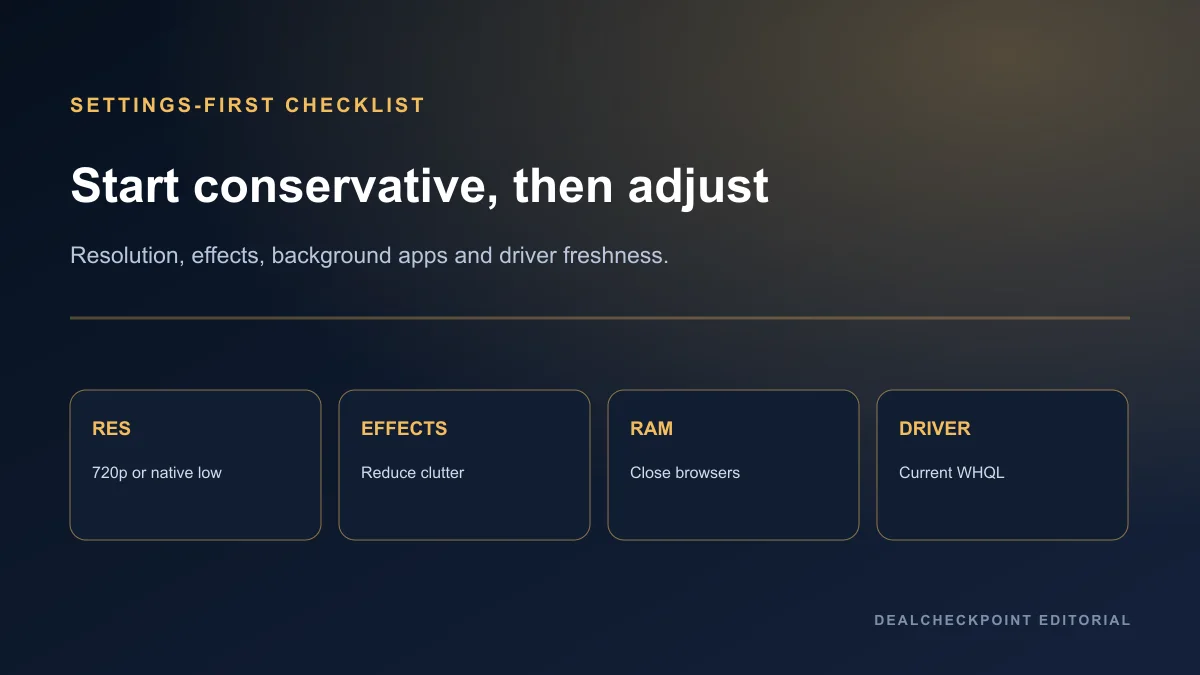
Integrated graphics can run several picks here, but driver freshness and shared system memory matter. Update the graphics driver through the laptop or motherboard vendor when possible, then test one game at 1280×720 before raising resolution.
Do not assume Linux compatibility from a Windows minimum. Several titles here use anti-cheat or launcher restrictions that can block unsupported configurations. Check the live Steam compatibility panel and publisher support page before installing on SteamOS or an unverified Linux setup.
Online and anti-cheat considerations
Every main pick here requires online access for its core experience. That means stable networking, account creation, and acceptance of current anti-cheat or platform restrictions.
Counter-Strike 2, Dota 2, League of Legends, and other competitive titles may enforce VAC, Riot Vanguard, or similar protections that limit unsupported operating systems. Read the current policy before assuming a handheld or Linux install will work.
How to test safely
Install one game, run one short session, and watch frame pacing rather than menu performance alone. If thermals throttle or storage space drops sharply during the first update, stop before adding more launchers.
Use official storefronts and publisher domains for account creation. Do not enter credentials through chat links, and enable available multi-factor authentication before linking payment methods.
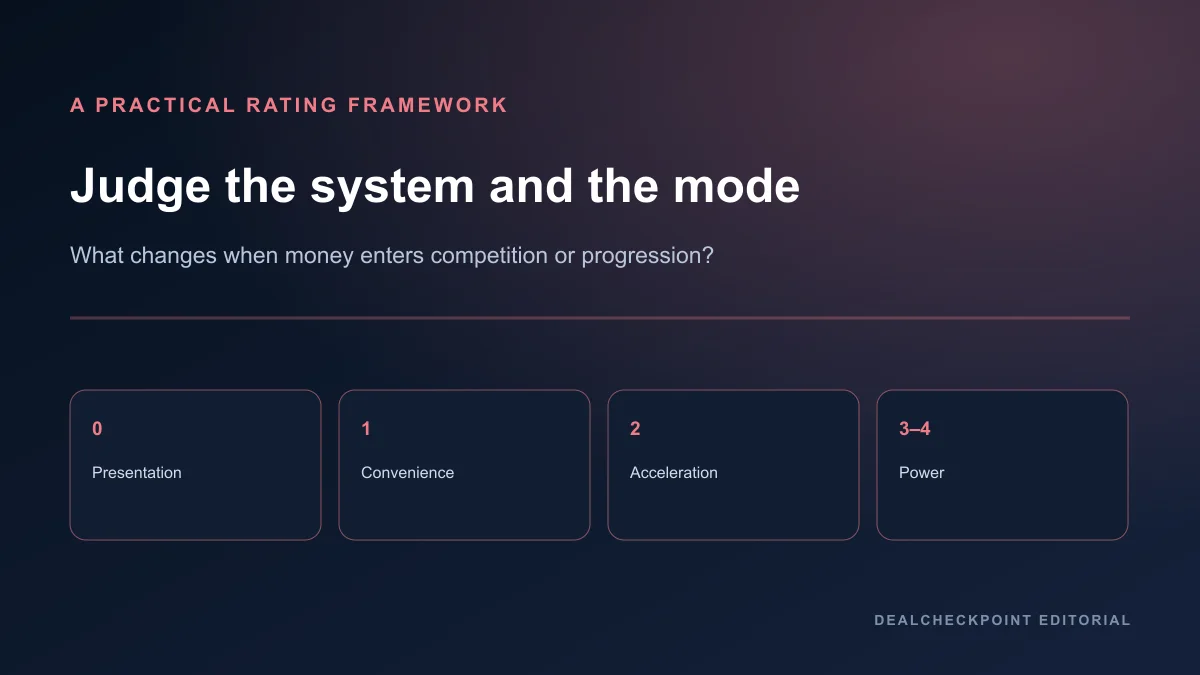
If a game sells more than presentation-only cosmetics, read Are Free-to-Play Games Pay-to-Win? before deciding whether its paid boundaries fit your budget.
Frequently asked questions
Can a 4 GB PC run modern free games?
Some can, but only if the official minimum, storage, and online requirements all fit your exact system. Tier A titles are the safest first tests; Tier C titles should not be assumed to work on four gigabytes without a local check.
Which game is the smallest download?
Brawlhalla and Hearthstone are the lightest starting points on this list, while Unturned, Albion Online, Dota 2, Counter-Strike 2, and Path of Exile require much more storage for installs and updates.
Should I use the Steam Deck guide instead?
If you are choosing games for a handheld, check the live Steam Deck compatibility panel for each product first. The dedicated Steam Deck free-games guide covers Verified, Playable and Unsupported cases separately. This article focuses on modest Windows desktops and laptops.
Are these games fully free?
They are free to enter, with optional purchases and the paid boundaries described above. None should be described as costless in every sense because online play, storage, accounts, and store systems all carry real constraints.
What should I install first?
Install one Tier A title if your PC is weak, one Tier B title if you have eight gigabytes of RAM and a supported integrated GPU, or one Tier C title only after verifying GPU and storage headroom.
Final recommendations
Start with Brawlhalla or Old School RuneScape on the weakest machines, add Hearthstone or Unturned if thermals and storage remain stable, then move to League of Legends or Albion Online on Tier B hardware. Choose Dota 2, Counter-Strike 2, or Path of Exile only when your discrete GPU and storage can support a heavier online title.
Use the free-to-play hub to compare platform records, read the Steam Deck free-games guide for handheld-specific compatibility checks, and see the free PC games pillar when you want a wider genre router after hardware testing. Install one game at a time. A low-end PC can support several excellent free games, but only when the official minimum, your conservative first settings, and a local test all agree.