The best free strategy games on PC in 2026 are not the ones with the longest feature bullet lists. They are the titles whose current official access model lets you install and play a real competitive or tactical loop without buying a base game, while still being honest about subgenre fit, launcher friction, roster gates, campaign boundaries, and paid systems that go beyond cosmetics.
Direct answer
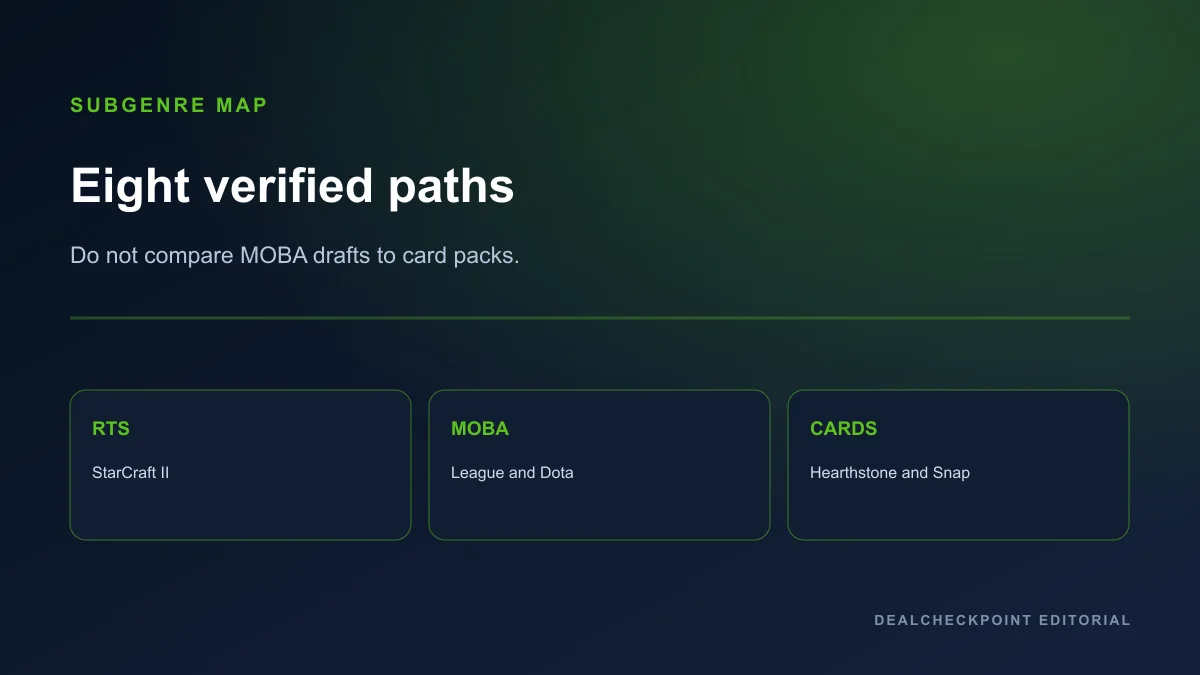
For classic real-time strategy, start with StarCraft II and its documented free multiplayer tier. For team lane strategy, compare Dota 2 and League of Legends, then read the dedicated free MOBA guide if you want a third-person alternative such as Smite. For shorter session planning, try Teamfight Tactics. For card-driven strategy, compare Hearthstone, Marvel Snap, and Yu-Gi-Oh Master Duel on Steam.
Every pick below was free to enter in the checked US region on July 23, 2026, plays primarily as a strategy title in its main modes, and uses an official active PC destination. Pure action games with optional tactics menus, demos that expire, and strategy modes locked behind a paid base game were excluded on purpose.
What strategy includes here
DealCheckpoint treats a free strategy game as a PC title whose base product can be installed and played without purchasing the core game, where the main loop rewards planning, resource timing, positioning, drafting, deck building, or map control more than raw reflex shooting alone.
That includes traditional RTS base building, MOBA lane and objective play, auto-battler economy and board planning, and digital card games where deck construction drives outcomes. It excludes battle royales whose primary skill test is aim-first gunplay, MMOs whose main loop is quest grinding without tactical team structure, and turn-based RPGs that happen to have a tactics menu but not a competitive strategy identity.
Some picks blur genre lines. MOBAs include mechanical execution, but their win conditions still depend on vision, item timing, objective control, and draft logic. Auto-battlers remove APM-heavy micro yet remain strategy games because shop odds, economy breakpoints, and positioning decide fights. Card games belong here when collection building and line planning are the core skill test rather than a side mode.
How the list was selected
A game qualified only when its exact base product was free to enter in the checked US region, the listing was not a demo, soundtrack, DLC bundle, or temporary promotion, and current official material documented platform support, account requirements, and access boundaries. We verified whether campaigns, ranked modes, rosters, or card pools gate meaningful content behind purchases.
We did not rank by esports prize pools or Twitch viewership alone. We compared subgenre clarity, learning curve, team requirements, anti-cheat policies, cross-play documentation where relevant, and the clearest reason a zero-spend account might hit a paywall or content gate after onboarding.
Age of Empires IV, Civilization VI free weekends, and other paid-base strategy franchises were excluded because their permanent free layer is not the full product. Deadlock and other early-access strategy shooters were omitted when long-term access models could not be verified to the same standard on the check date.
Comparison table
| Game | Subgenre | Main free loop | Online | Launcher | Roster or content gate | Paid layers beyond entry | Checked |
|---|---|---|---|---|---|---|---|
| StarCraft II | Traditional RTS | Multiplayer ladder and co-op entry tier | Required | Battle.net | Wings of Liberty campaign free, other campaigns sold separately | Campaign packs, war chests, announcers, skins | Jul 23, 2026 |
| Dota 2 | MOBA | Unranked and ranked 5v5 | Required | Steam | All heroes playable without purchase | Dota Plus, battle pass, treasures, event products | Jul 23, 2026 |
| League of Legends | MOBA | Summoner's Rift and alternate modes | Required | Riot Client | Weekly champion rotation, permanent unlocks via Blue Essence | Champions via RP, skins, battle pass, event passes | Jul 23, 2026 |
| Teamfight Tactics | Auto-battler | Standard and ranked queues | Required | Riot Client | Core mode free, rotating sets | Little Legends, battle pass, event products | Jul 23, 2026 |
| Hearthstone | Digital card strategy | Standard, Wild, Battlegrounds, Arena entry | Required | Battle.net | Free entry decks and modes, collection built over time | Card packs, run purchases, battle pass, cosmetics | Jul 23, 2026 |
| Marvel Snap | Digital card | Ranked and conquest ladders | Required | Steam | Starter collection and seasonal cadence | Gold, credits, premium season pass, bundles | Jul 23, 2026 |
| Yu-Gi-Oh Master Duel | Digital card strategy | Ranked and casual duels | Required | Steam | Crafting and reward paths, gem economy | Gem packs, bundles, cosmetics, structure decks | Jul 23, 2026 |
| Smite | Third-person MOBA | Conquest and arena modes | Required | Steam | Free god rotation plus unlock paths | Premium god bundles, skins, battle pass, founders products | Jul 23, 2026 |
Best traditional RTS
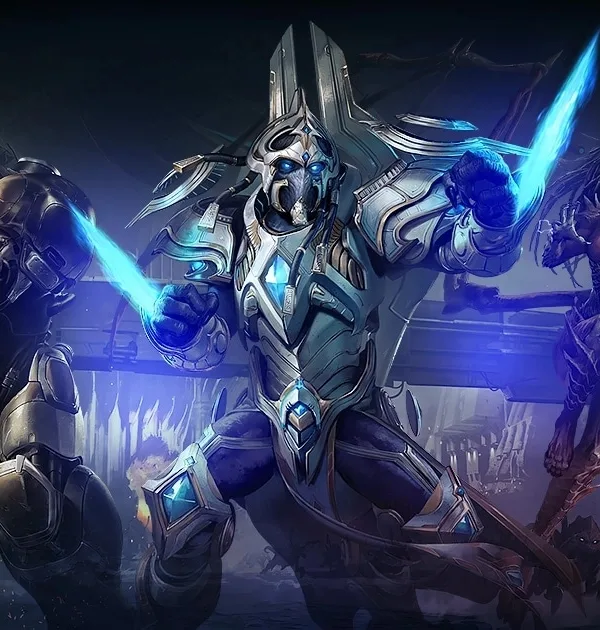
StarCraft II remains the clearest free-entry traditional RTS on PC. Its free tier includes ranked 1v1 multiplayer and co-op entry with documented commander restrictions, while Heart of the Swarm, Legacy of the Void, and Nova Covert Ops campaigns remain separate purchases. That split matters: you can learn macro, scouting, and build-order discipline without buying the full campaign library, but you should not expect every story arc and co-op commander to stay open forever on a zero-spend account.
If you want mechanical precision and a ladder that still respects fifteen years of strategy literacy, StarCraft II is the benchmark. If you need a forgiving offline campaign sandbox with no online ladder pressure, this is the wrong pick despite Wings of Liberty being available without a purchase.
Best free MOBAs
Dota 2 and League of Legends anchor the MOBA section because both remain free to install and queue, yet they teach different lessons. Dota 2 exposes every hero immediately, which removes roster paywalls but not complexity: itemization, map vision, and teamfight timing still punish shallow knowledge. League front-loads accessibility with tutorials and a weekly champion rotation, then asks you to grind Blue Essence or spend RP for permanent roster access outside the rotation.
Neither game should be described as costless in every sense. Dota Plus adds analytics and cosmetic progression layers. League sells champions, skins, event passes, and battle pass tracks that shape account progression even when they do not sell direct combat-stat upgrades in standard Summoner's Rift.
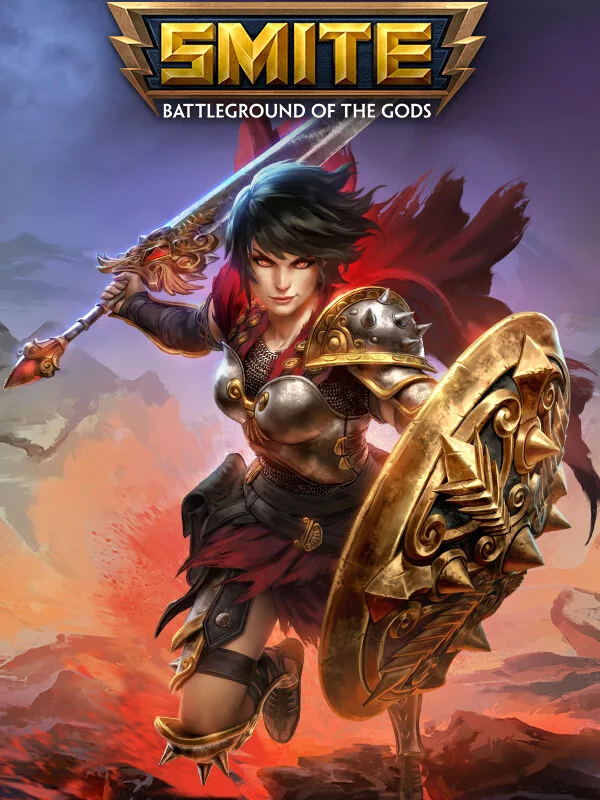
For a third-person lane alternative with skill-shot emphasis, Smite belongs in the MOBA bucket even though its camera and map objectives differ from top-down classics. Read the free MOBA guide before choosing between all three, especially if your group already plays on Steam only or refuses extra launchers.
Best auto-battler
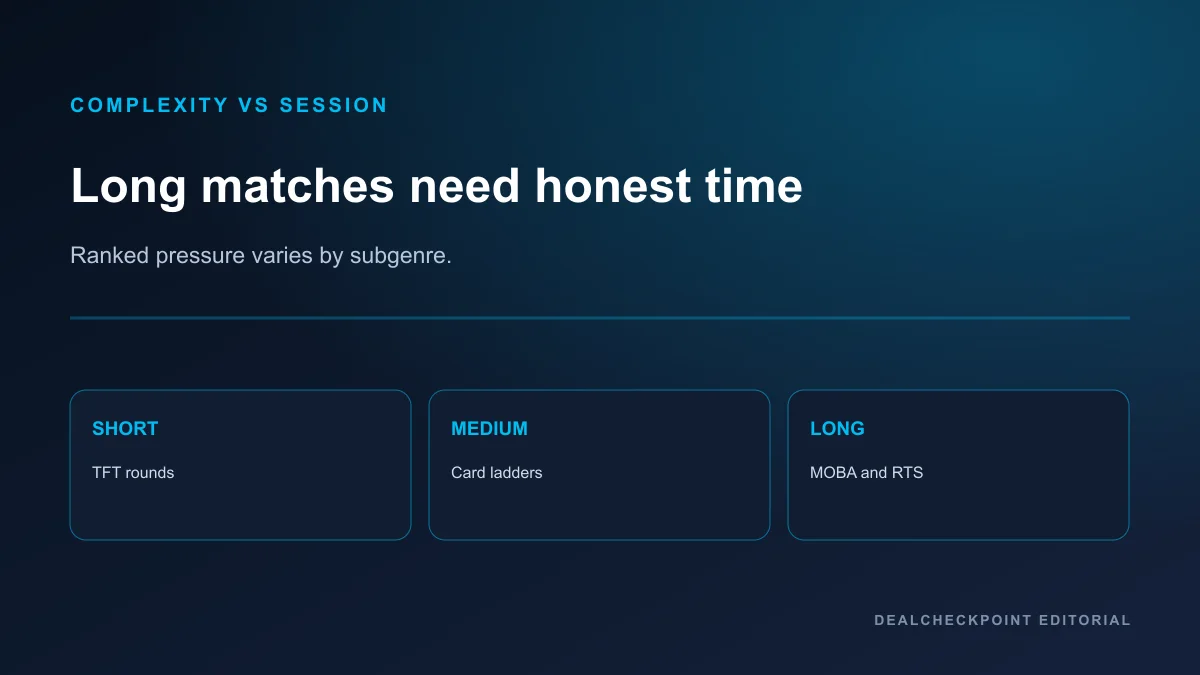
Teamfight Tactics is the strongest free auto-battler entry here because it removes mechanical execution while keeping genuine planning depth: economy breakpoints, trait synergies, item slams, scouting, and pivot timing. Matches are shorter than full MOBA sessions, and the mode cross-plays between PC and mobile on one Riot account.
Sets rotate frequently, which keeps the meta fresh but also means a comp you mastered last month may be reworked. Paid layers include Little Legends cosmetics, battle pass tracks, and event products. They do not sell direct combat-stat advantages in the core mode, but they are still real-money systems rather than optional wallpaper.
Best card strategy games
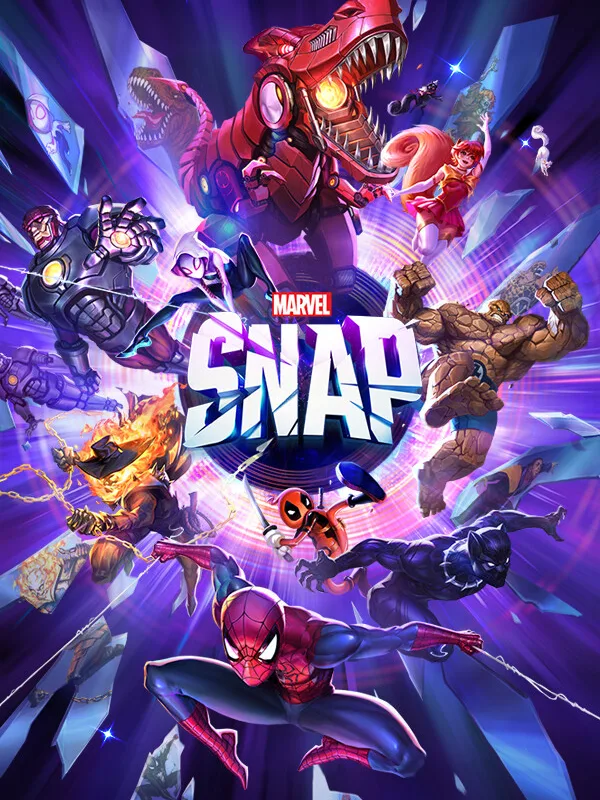
Hearthstone and Marvel Snap cover different card-strategy philosophies. Hearthstone offers multiple modes — constructed Standard and Wild, Battlegrounds auto-battler, and Arena drafts — with a long history of expansion cadence and rebalancing. Marvel Snap compresses matches to roughly three minutes, uses twelve-card decks, and centers tension around the snap raise mechanic.
Yu-Gi-Oh Master Duel adds a rules-heavy trading-card experience on Steam with ranked and casual duels, craftable card paths, and a gem economy tied to pack purchases. It is officially free to install on PC, but competitive breadth still depends on collection growth that gems and bundles can accelerate.
All three card games are free to install, yet all sell acquisition paths that affect competitive options. Hearthstone card packs, run entries, and battle pass products can expand your collection faster than pure free-track grinding. Marvel Snap uses credits, gold, and premium season pass tracks to shape how quickly you acquire new cards and cosmetics. Yu-Gi-Oh Master Duel uses gems, structure decks, and bundle products on top of crafting systems. Do not flatten any of them into cosmetic-only monetisation.
Best lower-pressure strategy option
If ranked MOBA or RTS ladder stress is the blocker, start with Teamfight Tactics or Marvel Snap. TFT still has ranked anxiety, but the absence of mechanical last-hitting and team voice-pressure makes it easier to learn systems incrementally. Marvel Snap sessions finish quickly, which limits sunk-time frustration when you mis-draft.
Hearthstone Battlegrounds mode is another lower-pressure lane inside a card client: you draft minions turn by turn without building a permanent collection first. Standard constructed ranked remains sharper and collection-sensitive, so mode choice matters as much as game choice.
Individual recommendations
StarCraft II
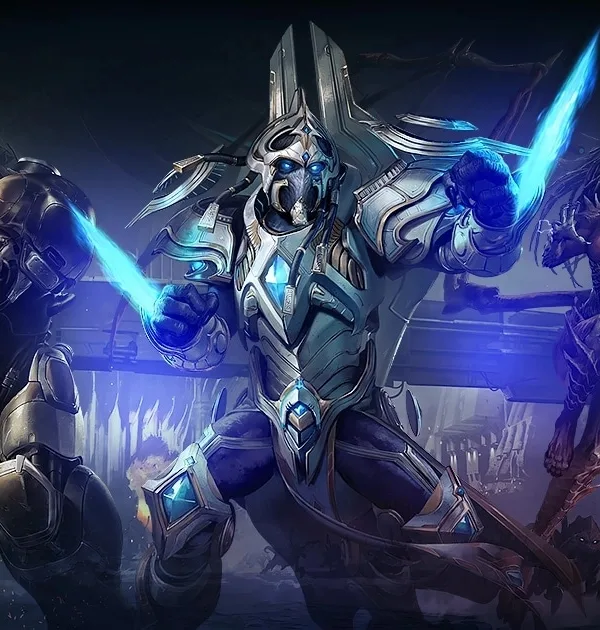
StarCraft II is best for players who want a traditional RTS ladder with crisp unit control; skip it if you expect every campaign saga and co-op commander without purchases. Access model: free-to-play starter tier on Battle.net. Core free loop includes ranked 1v1 multiplayer and co-op entry with documented commander limits. Online is required for ladder play. Launcher: Battle.net. Free-entry boundary: Wings of Liberty campaign access is included in the free tier, while Heart of the Swarm, Legacy of the Void, Nova Covert Ops, additional co-op commanders, war chests, announcers, and skins remain paid products. Official StarCraft II free-to-play page.
Dota 2
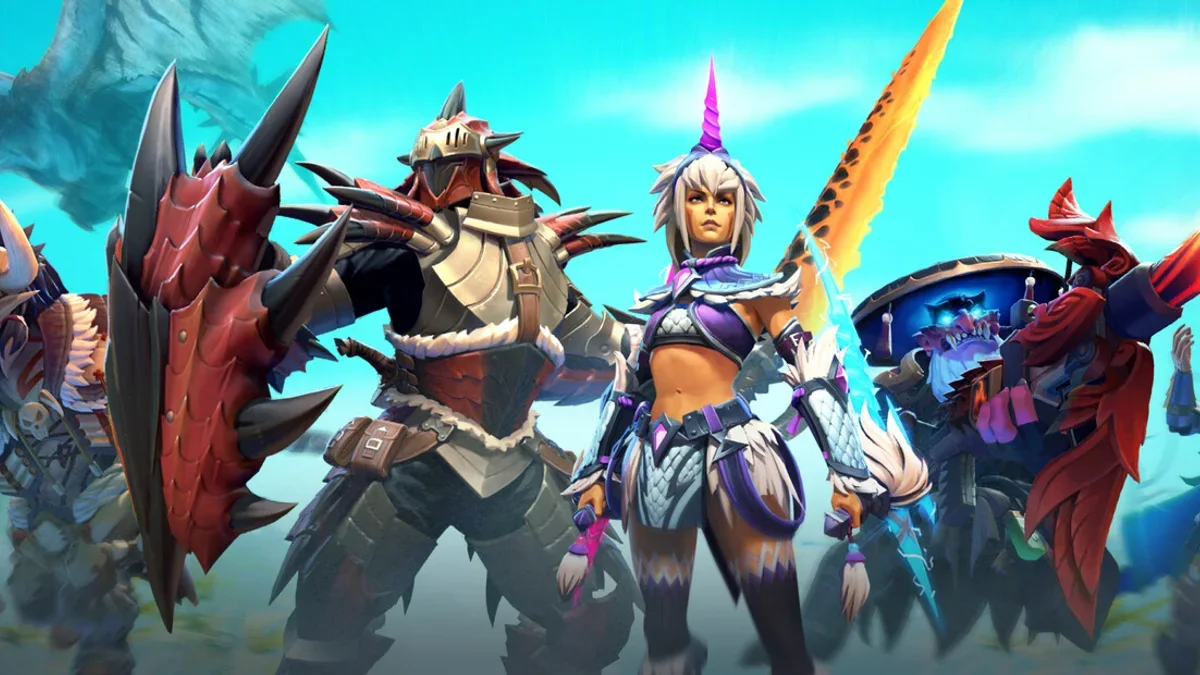
Dota 2 fits players who want the deepest team-strategy MOBA and accept a long learning curve; skip it if you need gentle onboarding or short sessions only. Access model: free-to-play on Steam. Core modes include unranked and ranked 5v5. Online is required. Launcher: Steam. Anti-cheat: VAC. Free-entry boundary: the base game installs without purchase and the hero roster is playable without buying heroes, while Dota Plus, battle pass content, treasures, and event products add paid progression and service layers. Official Steam listing.
League of Legends
League of Legends is best for structured 5v5 lane strategy with frequent balance updates; skip it if you dislike champion rotation limits or Riot Client overhead. Access model: free-to-play. Core Summoner's Rift and alternate modes are available after account creation. Online is required. Launcher: Riot Client. Anti-cheat: Vanguard kernel driver. Free-entry boundary: new and returning accounts use a weekly champion rotation and can unlock champions permanently through Blue Essence earned in-game, while RP purchases, skins, battle pass tracks, and event passes remain paid paths that shape roster speed and account presentation. Official League of Legends site.
Teamfight Tactics
Teamfight Tactics suits players who want board-planning strategy without MOBA mechanics; skip it if set resets frustrate you or you need a single-player campaign. Access model: free-to-play through the Riot Client. Core standard and ranked queues are available after account creation. Online is required. Launcher: Riot Client. Cross-play: documented between PC and mobile on one account. Free-entry boundary: the core auto-battler mode is free to enter, while Little Legends, battle pass tracks, and event products are paid layers on top. Official Teamfight Tactics site.
Hearthstone
Hearthstone fits players who want turn-based card strategy with multiple modes; skip it if you dislike randomised pack acquisition or mandatory online play. Access model: free-to-play on Battle.net. Core constructed, Battlegrounds, and Arena entry paths are available without buying the base client. Online is required. Launcher: Battle.net. Cross-play: documented with mobile on one account. Free-entry boundary: starter decks and free-track progression exist, but card packs, Arena run purchases, battle pass products, and in-game currencies can accelerate collection growth and are not cosmetic-only systems. Official Hearthstone site.
Marvel Snap

Marvel Snap is best for fast card matches with location-based tactics; skip it if you want long-form single-player campaigns or zero seasonal card cadence. Access model: free-to-play on Steam. Ranked and conquest ladders are available after account creation. Online is required. Launcher: Steam. Free-entry boundary: a starter collection and seasonal card acquisition paths are available without buying the base install, while gold, credits, premium season pass tracks, and bundles shape how quickly you acquire new cards and cosmetics. Official Marvel Snap site.
Yu-Gi-Oh Master Duel
Yu-Gi-Oh Master Duel fits players who want deep turn-based card rules and ranked duels; skip it if you dislike randomised pack economies or steep rules overhead. Access model: free-to-play on Steam. Ranked and casual duel queues are available after account creation. Online is required. Launcher: Steam. Free-entry boundary: the base install is free and crafting paths exist, while gem purchases, structure decks, bundles, and cosmetics can accelerate collection growth beyond zero-spend pacing. Official Steam listing.
Smite
Smite fits players who want MOBA objectives from a third-person camera; skip it if you only want top-down map control classics. Access model: free-to-play on Steam. Conquest and arena modes are available after account creation. Online is required. Launcher: Steam. Free-entry boundary: a free god rotation and favor-based unlock paths provide entry without buying the base game, while premium god bundles, skins, battle pass products, and founders content remain paid layers. Official Smite site.
Free-content boundaries
None of these games should be described as fully unlocked forever on a zero-spend account. StarCraft II sells campaign packs and co-op commanders beyond the documented free tier. League of Legends limits immediate roster access through rotation and currency systems. Smite uses rotation and bundle paths for its god roster. Hearthstone, Marvel Snap, and Yu-Gi-Oh Master Duel tie competitive breadth to collection growth that can be accelerated with real-money purchases.
Dota 2 is the clearest hero-access story in this list because heroes themselves are not sold, yet Dota Plus, battle pass content, and event treasures still create meaningful paid layers around the core game. Teamfight Tactics keeps the board mode open but sells battle pass progression and cosmetics that many players treat as part of the live-service experience.
If you are deciding whether a game's paid systems affect power, read Are Free-to-Play Games Pay-to-Win? alongside this guide. For MOBA-only comparisons, use the free MOBA guide rather than treating this page as a duplicate lane-by-lane breakdown.
Randomised acquisition
Card games on this list use randomised or semi-randomised acquisition in ways that matter even when they do not sell direct combat-stat upgrades in every mode. Hearthstone card packs produce random cards from expansion pools, and Arena runs combine random drafts with paid entry options. Marvel Snap's seasonal cadence and reward tracks shape which cards enter your collection on a given schedule, while store bundles can shortcut grinding. Yu-Gi-Oh Master Duel's gem packs randomise card pulls from featured pools, with crafting systems partially offsetting bad luck over long timelines.
MOBA and RTS picks are less gacha-driven, but they still ship randomised reward products. Dota 2 treasures and event loot layers can randomise cosmetic outcomes. League event passes and loot-adjacent products rotate frequently. These systems create spending risk separate from whether a skin changes combat numbers.
Treat randomness as a budgeting issue, not a footnote. Decide a spending cap before opening packs, buying passes, or chasing bundle value math. If random outcomes would frustrate you more than slow deterministic grinding, prefer Dota 2's hero model or TFT's cosmetic-only board layer before diving into card pack economies.
Launcher and account requirements
Most picks require a persistent online account in addition to any store client. StarCraft II and Hearthstone route through Battle.net. League of Legends and Teamfight Tactics require the Riot Client and Vanguard on PC. Dota 2, Marvel Snap, and Smite commonly install through Steam in the US, though publisher account linking may still apply for cross-progression or anti-cheat.
Anti-cheat is not decorative. Vanguard on Riot titles and VAC on Steam MOBA installs can block unsupported operating systems, virtual machines, or modified clients. Read the current policy before assuming Steam Deck, Linux, or workplace PC compatibility.
Cross-play varies by title and mode. Teamfight Tactics documents PC and mobile cross-progression on one Riot account. Hearthstone documents cross-play with mobile on Battle.net. Do not assume your friends can join every ranked queue on every platform without checking the live cross-play matrix for that season.
Install one launcher at a time, create accounts only on official domains linked from store pages, and enable multi-factor authentication before attaching payment methods. Avoid credential links from chat or Discord DMs.
Frequently asked questions
Is StarCraft II completely free?
No. StarCraft II offers a documented free-to-play tier that includes ranked 1v1 multiplayer, co-op entry with commander limits, and Wings of Liberty campaign access. Heart of the Swarm, Legacy of the Void, Nova Covert Ops, many co-op commanders, war chests, and cosmetic products remain separate purchases.
Does League of Legends give every champion permanently for free?
No. League uses a weekly champion rotation for immediate access and permanent unlocks through Blue Essence earned in-game. RP can buy champions immediately, and skins, battle pass tracks, and event passes are paid layers on top.
Is Dota 2 pay-to-win?
Dota 2 does not sell hero combat stats or locked heroes in standard matchmaking. Paid products include Dota Plus, battle pass content, treasures, and cosmetics. Evaluate whether those systems affect your mode, but the hero roster itself is not sold as power.
Which free strategy game is best for beginners?
Teamfight Tactics and Marvel Snap are the gentlest starting points if you want shorter sessions and less mechanical execution. League of Legends offers more onboarding tooling than Dota 2, while StarCraft II has the steepest RTS ladder curve on this list.
Can I play these on Steam Deck?
Compatibility varies by launcher and anti-cheat path. Marvel Snap, Dota 2, and Smite have Steam listings with Deck notes worth checking, but Riot titles depend on Vanguard support and Battle.net titles depend on Blizzard's Linux guidance. Verify live compatibility panels before assuming ranked play will work.
Are Hearthstone and Marvel Snap cosmetic-only?
No. Both are free to install, but both sell card acquisition and progression products that expand competitive options faster than zero-spend grinding alone. Cosmetics exist, yet card access is not purely decorative in constructed play.
Should I pick a MOBA or an auto-battler?
Choose a MOBA if you want team voice comms, lane mechanics, and long-match mastery curves. Choose Teamfight Tactics if you prefer planning-heavy rounds without last-hitting or ability execution pressure.
Final recommendations
Choose StarCraft II for traditional RTS ladder depth, Dota 2 or League of Legends for 5v5 team strategy, Smite for third-person MOBA variety, Teamfight Tactics for auto-battler planning, and Hearthstone, Marvel Snap, or Yu-Gi-Oh Master Duel for card-driven tactics at different session lengths and rules complexity.
If you are building a ranked stack, confirm everyone can run the same launcher and anti-cheat stack before committing. Mixed Steam and standalone installs can work, but account linking, patch timing, and roster unlock differences still create unnecessary friction on week one.
Use the free-to-play hub to compare platform records, read the pay-to-win guide before spending on packs or passes, and read the free MOBA guide if lane strategy is your main goal rather than RTS or card systems.