Information verified on August 5, 2026.
Quick verdict
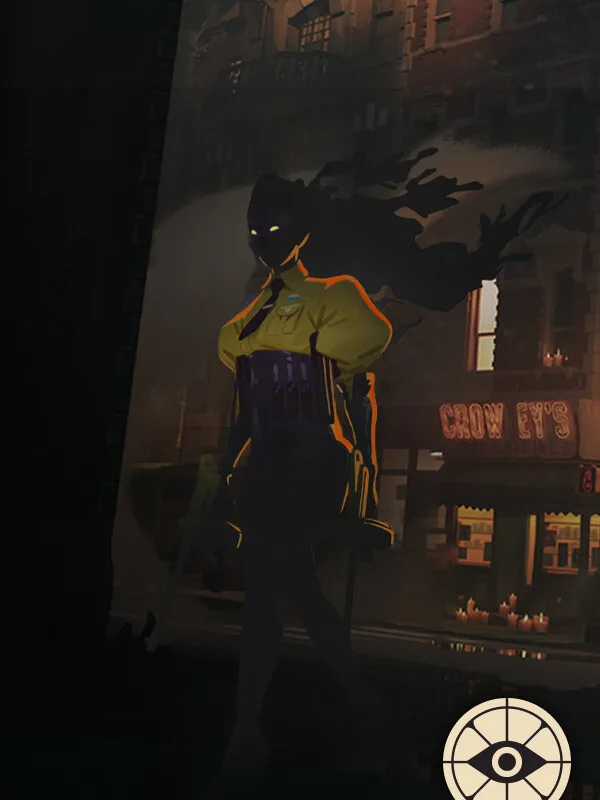
Maybe — Deadlock is worth pursuing in 2026 only if you can obtain invite-only access and you want a third-person hero shooter built on MOBA macro structure. The official Steam page at https://store.steampowered.com/app/1422450/Deadlock/ describes the project as early development with temporary art and experimental gameplay, and states that access is currently limited to friend invites via playtesters. The same page says the game is not yet available on Steam for general download. That is materially different from an open free-to-play launch, so the honest decision is about access first and fit second.
If you already have an invite and enjoy lane pressure, item timing and team coordination, Deadlock can justify focused sessions while Valve continues iterating. If you are browsing for something you can install tonight without a chain of invites, treat the store page as the authority: wishlist it, read patch notes through the Community Hub, and compare alternatives such as Counter-Strike 2 worth-it guidance or Marvel Rivals worth-it guidance before assuming Deadlock is your next daily game.
Is Deadlock open to everyone?
No. Valve's current Steam listing does not present Deadlock as a public free-to-play download. The notice on the store page reads that access is limited to friend invites via playtesters, and that the game is not yet available on Steam in the ordinary buy-or-install sense. You can add it to a wishlist and follow development, but you should not describe Deadlock in 2026 as an open install for any PC player with a Steam account.
| What official Steam materials say | What that means in 2026 | Common mistake to avoid |
|---|---|---|
| Early development build | Art, balance and modes may change frequently | Assuming a polished 1.0 onboarding path exists today |
| Limited to friend invites via playtesters | You need someone already in the test to invite you | Searching for a public download button that does not exist |
| Not yet available on Steam | No general store release yet | Calling it broadly available on the Steam store |
| Planned release date: TBA | No fixed commercial launch date on the page | Planning long-term roster investment as if launch were final |
Community discussion and creator coverage can make Deadlock feel larger than its access gate, especially when highlight clips circulate. The store page remains the conservative source for whether you can enter at all. Until Valve changes that language, worth-it advice starts with invite availability, not with hero fantasy alone.
How invite-only access works
Valve's phrasing — friend invites via our playtesters — implies a social chain rather than a self-serve queue on the store page. Practically, that means access often arrives through someone who already plays, not through completing a public registration form on Steam. Invites can be scarce, uneven across friend groups and sensitive to whatever eligibility rules Valve applies internally during early development.
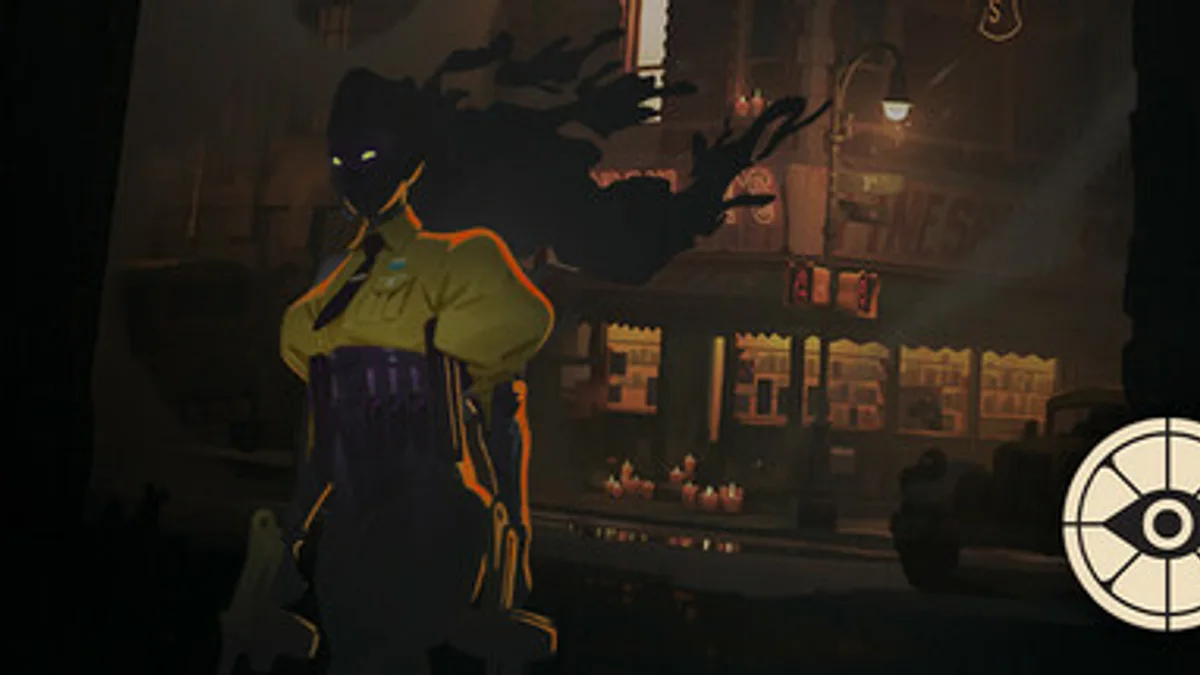
Treat invites like temporary keys to a workshop, not permanent ownership guarantees. Players who receive access should read any in-client rules about sharing invites, streaming, feedback and account standing. If access depends on continued participation in a closed test, your ability to return after a long break may differ from a fully launched live game.
Because the project is not generally listed as installable, avoid third-party sellers promising Deadlock accounts or guaranteed invites. Those offers create account-security risk and may violate test policies. The safe route is a direct invite from someone you trust or an official Valve communication channel if one opens later.
What early development means for players
Valve explicitly warns that Deadlock is in early development with lots of temporary art and experimental gameplay. For players, that translates into UI shifts, hero reworks, map changes and match pacing adjustments that can invalidate yesterday's habits. A newcomer should expect placeholder presentation in places and balance swings that would feel unusual in a finished competitive title.
Early development also means crash reports, performance quirks and tutorial gaps are part of the package. That is not a verdict on long-term quality — Valve has shipped long-running service games before — but it is a reason to keep expectations flexible. If you need stable patch cadence and polished onboarding before you commit evenings, waiting for a broader release may cost less frustration than forcing yourself through a moving test build.
Documentation outside first-party pages can age quickly. Prefer the Steam Community Hub, official patch discussion and in-client patch notes over outdated access guides. When a major test update lands, assume your prior hero notes may need refreshing. Valve has not published a general release date on the store page, so timeline expectations should follow official announcements rather than rumor threads.
Core gameplay loop
Deadlock combines third-person hero gunplay with MOBA-shaped macro play: lanes, creeps or equivalent lane pressure, an item shop, hero abilities and a push toward the enemy base. Matches typically ask you to win both micro fights and map-wide decisions. Winning a duel matters, but so does when you rotate, when you spend gold and whether your team commits to an objective together.
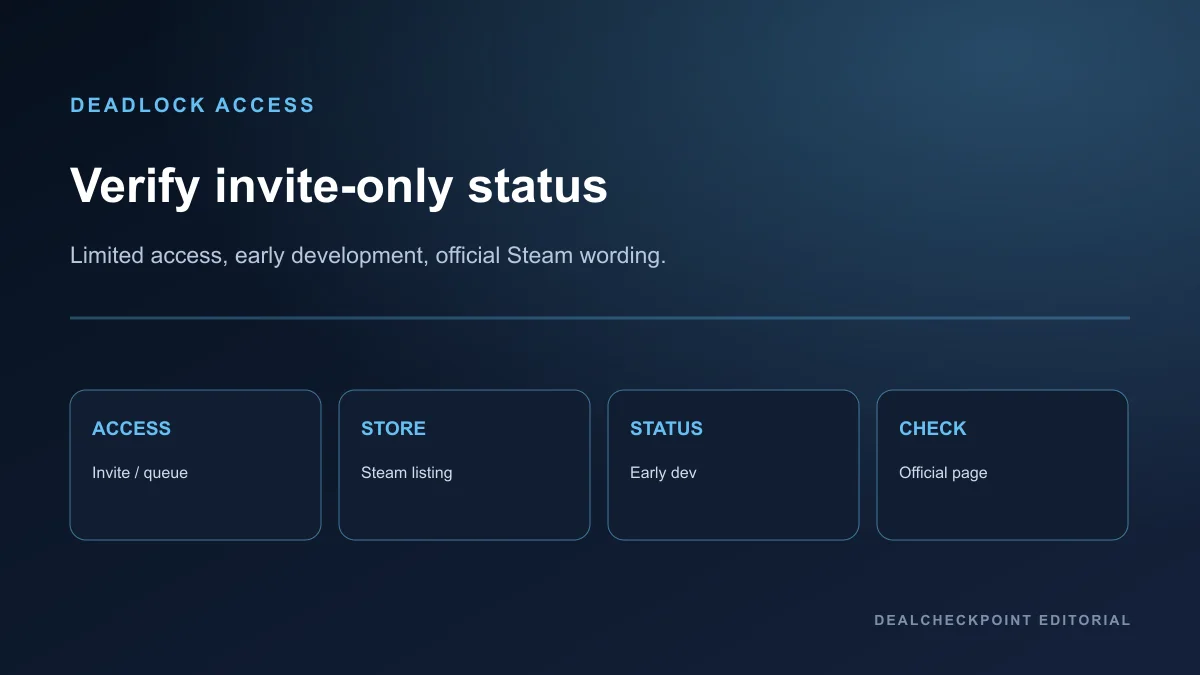
The moment-to-moment loop is aim, ability timing, positioning and target selection inside a structured map. Between fights you shop, choose upgrades and respond to what opponents are building. That hybrid is exactly why Deadlock draws comparisons to Dota-style strategy inside a shooter camera — and why it feels distinct from round-based tactical shooters or pure arena hero games.
Sessions reward players who enjoy repeating matches to learn matchups. If you prefer short isolated rounds with fixed loadouts and no lane farming, Deadlock's loop will feel heavier. If you like the idea that a good rotation can matter as much as a good headshot, the loop has unusual depth for a shooter presentation.
MOBA fundamentals in a third-person shooter
Even if you come from FPS backgrounds, Deadlock expects MOBA literacy at a basic level: lane assignments, last-hit or lane-pressure concepts, vision of map state and timing windows when teams should group. Players with League of Legends, Dota 2 or Smite experience from the best free MOBAs guide will recognize the grammar even while they relearn gun handling.
| MOBA concept | How it tends to feel in Deadlock | Why newcomers stumble |
|---|---|---|
| Lane pressure | Shooting and abilities applied to lane control | Treating lanes as pure deathmatch zones |
| Economy and items | Power spikes tied to shop decisions | Buying reactively instead of planning spikes |
| Map rotations | Third-person movement across routes | Chasing kills while objectives lose priority |
| Team fights | Ability combos plus positioning | Individual hero mastery without group timing |
Shooter veterans should not assume raw aim transfers fully without macro study. MOBA veterans should not assume last-hit muscle memory alone replaces shooter movement and target tracking. Deadlock sits at the intersection, which is the product's appeal and its learning cost.
Hero roster, items and macro decisions
Hero shooters live or die on roster clarity. During early development, roster size, role labels and item interactions can change between tests. Official public materials on Steam remain high level compared with a finished launch encyclopedia. Inside the test, treat hero guides as provisional: note why a kit feels strong, not just which button combo you memorized.
Item shop decisions create power spikes similar to MOBA builds. Some items amplify survivability, others add utility or burst. Because teams share map objectives, selfish purchases that ignore team fight timing can lose games even when individual KDA looks fine. Watch what stronger players buy after losses, not only after stomps.
If you already play objective hero shooters such as Marvel Rivals, you understand ability synergies — Deadlock adds longer economic memory across the match. If you play Counter-Strike 2, you understand round economy — Deadlock stretches that logic across a continuous map state instead of discrete bomb rounds.
New player experience in limited access
Closed tests rarely ship the onboarding polish of a full launch. Deadlock's new-player experience depends on invite friends, community guides and whatever tutorial layers exist in the current build. Expect to lose while learning both shooter mechanics and map objectives. That is normal in a hybrid title even when you are experienced in one parent genre.
Use the first hours to learn one hero and one role path rather than rotating through the entire roster. Learn where fights usually happen, how your team signals objectives and which items appear in every core build. Avoid comparing your test experience to creator highlight reels edited for entertainment.
Because access is invite-bound, your first friends in Deadlock may define your learning speed. A patient group willing to explain rotations beats a silent queue every time. If your social circle cannot join, weigh whether solo-queue learning inside a complex hybrid is enjoyable before you invest heavily.
Team coordination and matchmaking
Deadlock is a team game at macro level even when individual outplays exist. Communication about objectives, retreat timing and item spikes separates coherent teams from collections of strong duelists. Voice or quick text clarity helps, but so does learning common map timings well enough to move without constant instruction.
Matchmaking quality in a limited test can differ from a full public launch. Queue times, skill spread and party sizes may reflect test population rather than long-term design. Evaluate fun using your actual sessions, not assumptions about future ranked ecosystems.
If you usually play with a fixed group, coordinate who plays which map role before queuing. If you solo queue, ping objectives and mirror teammates who seem to understand macro rather than arguing over hero novelty picks in the first minutes.
Learning curve from MOBAs and shooters
| Your background | Fastest onboarding path | Likely friction |
|---|---|---|
| Tactical FPS (CS2, VALORANT) | Crosshair discipline and angle habits | Map objectives and continuous economy |
| Hero shooter (Marvel Rivals, Overwatch) | Ability timing and team fight positioning | Lane farming tempo and item math |
| MOBA (Dota 2, League, Smite) | Rotations and power spike planning | Third-person aim and shooter movement |
Cross-training helps. If you are unsure which parent genre fits you better, read Is Counter-Strike 2 worth it? for round-based discipline and Is Marvel Rivals worth it in 2026? for faster hero team fights without MOBA lanes. Deadlock demands more synthesis than either alone.
Give yourself at least ten matches before judging the hybrid. Single-match variance is huge when you are learning two rule sets at once.
Monetization and store boundaries
Because Deadlock is not broadly released on Steam, treat monetization as unconfirmed for general players until Valve publishes clear consumer-facing store policies at launch. Early tests sometimes include experimental commerce or none at all. Do not assume a final free-to-play cosmetics-only model, and do not assume everything will remain unlockable without payment.
When official purchase options appear, read what they affect: cosmetics only, hero access, battle passes or progression boosts. Hybrid competitive games can blur those lines. Any spending decision should follow published patch notes and store disclosures, not rumor threads.
If you cannot install the game yet, you also cannot evaluate real money boundaries firsthand. That is another reason to defer purchase planning until access and official monetization documentation exist for your account.
Who should play
Deadlock is worth pursuing if you can obtain legitimate invite access, you enjoy MOBA macro in a shooter presentation, and you tolerate early-development churn. It fits players who like learning matchups, discussing builds and repeating structured team fights. It also fits groups that want a new Valve-backed experiment to explore together while the roster and map meta are still forming.
It helps if you already enjoy at least one parent genre and want the intersection rather than a pure version of either. Players curious about lane strategy but bored by top-down MOBA cameras may find Deadlock's third-person view refreshing.
Who should skip
Skip or wait if you cannot obtain invite access, you need a public install path tonight, or you dislike work-in-progress art and balance. Also skip if you want short round-based matches only, have no patience for economy systems, or expect a finished tutorial on day one.
Players who require guaranteed long-term account access without test uncertainty should wait for a general Steam release announcement. Players allergic to team dependence should prefer solo-forward shooters with clearer individual carry paths.
First ten-match plan
| Match block | Focus | Good signal | Warning sign |
|---|---|---|---|
| Matches 1-2 | Movement, shooting, one hero | Controls feel readable after adjustments | Camera or TTK feels wrong every fight |
| Matches 3-4 | Lane role and farming basics | You understand why you return to lane | You wander without purpose |
| Matches 5-6 | First core items and timing | Items change fights noticeably | Shopping feels random |
| Matches 7-8 | Objective calls with team | You respond to group commits | Teams feel irrelevant to outcomes |
| Matches 9-10 | Repeat hero and review | You want another session | Only invite scarcity keeps you interested |
Do not main a hero because a streamer looked flashy once. Do not copy item builds from outdated guides. Note performance and readability honestly — early tests on varying hardware can mislead if you blame the game for uncapped frame settings.
After ten matches, ask whether macro decisions interest you as much as shooting. If yes, continue and widen your hero pool slowly. If no, wishlist Deadlock for a future public phase and play an accessible alternative now.
FAQ and final verdict
If invite-only access blocks you today, compare nearby genres instead of forcing Deadlock into a slot it cannot fill yet. For MOBA structure without shooter presentation, start with the best free MOBAs on PC in 2026. For round-based tactical shooting without lanes, read Is Counter-Strike 2 worth it?. For 6v6 hero objectives without MOBA farming, try Is Marvel Rivals worth it in 2026?. None substitutes for Deadlock's hybrid; they are placeholders while Valve keeps the test invite-bound.
Is Deadlock free to play in 2026?
The current Steam page emphasizes invite-only limited access during early development and does not present a general free install for all users. Do not describe Deadlock as an open free-to-play Steam download based on today's listing.
Can you download Deadlock on Steam right now?
Official materials say the game is not yet available on Steam in the ordinary store sense. Wishlisting and following the Community Hub are supported; unrestricted public download is not what the page describes.
Is Deadlock worth it if you love MOBAs?
If you have access and enjoy macro-heavy team games, it is one of the few third-person experiments blending MOBA objectives with shooter combat. Without access, the worth-it question is moot until availability expands.
How does Deadlock compare to Counter-Strike 2 or Marvel Rivals?
Counter-Strike 2 is round-based tactical gunplay. Marvel Rivals is hero team fights around objectives without MOBA lane economy. Deadlock merges lane macro with hero shooting. Pick the loop you actually want to study.
Should you spend money on Deadlock during the test?
Wait for clear official monetization documentation tied to a release you can access. Early tests can change commerce models before any public launch.
Deadlock is worth playing in 2026 only for players who secure legitimate invite access and enjoy MOBA macro inside a third-person hero shooter. Official Steam language is explicit: early development, invite-only via playtesters, not yet generally available on the store. Meet that gate first, run the ten-match plan second, and defer spending until Valve publishes a public release with transparent monetization. Everyone else should wishlist, follow patch notes and play open alternatives until the access model changes.